Blog Posts | Ontario Asparagus Facts You Probably Didn’t Know
Ontario Asparagus Facts You Probably Didn’t Know
May signals the start of the growing season in Ontario, and the first crop of the season is an interesting one
You’re likely quite familiar with Ontario asparagus, and all the delicious ways you can use it, but there are many more asparagus facts that you probably didn’t know.
Asparagus Season Is Very Short
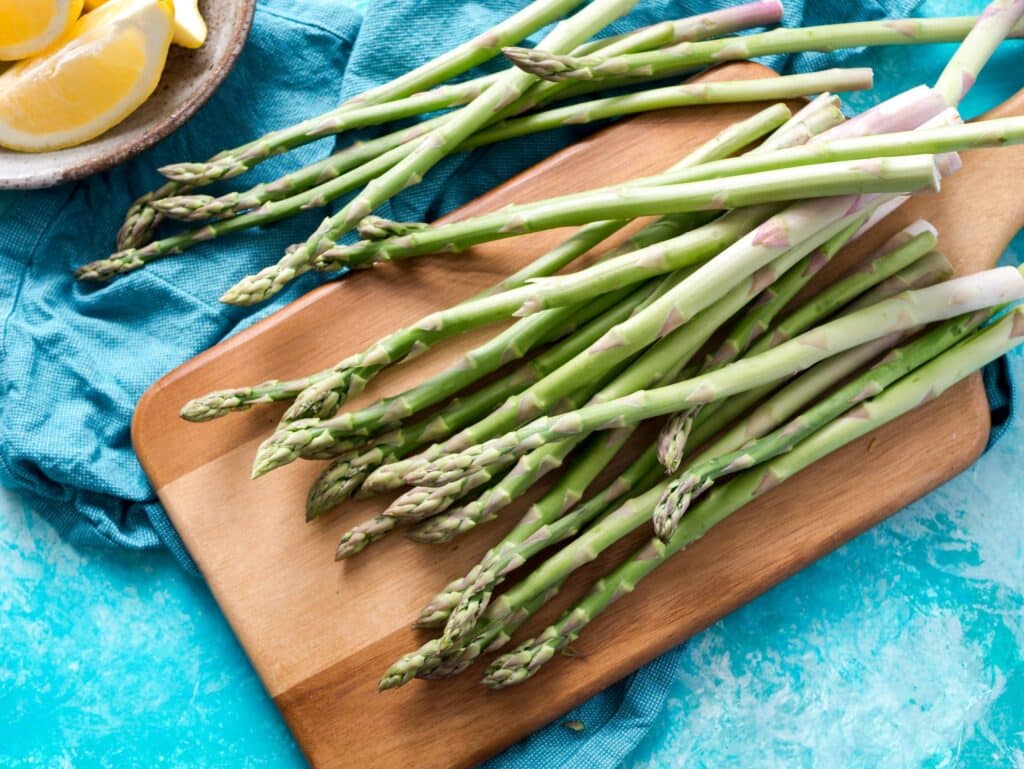
Ontario grown asparagus is available from mid-May to June, so it’s a very short season. It’s usually the first crop of the Ontario growing season.
Asparagus Grows Quickly
In ideal conditions, an asparagus spear can grow 24cm or 10” in 24 hours, requiring them to be cut and harvested daily, sometimes twice a day. So while the season is short, it’s very busy, since every asparagus spear is harvested by hand.
Asparagus Is A Perennial
It’s a perennial, meaning it will come back every year, and it’s a member of the lily family. Once planted, it takes about 2-3 years before it’s mature enough to be harvested, but a plant can live and continue to be harvested for up to 20 years – so the wait is well worth it.
There Are Different Colours & Varieties
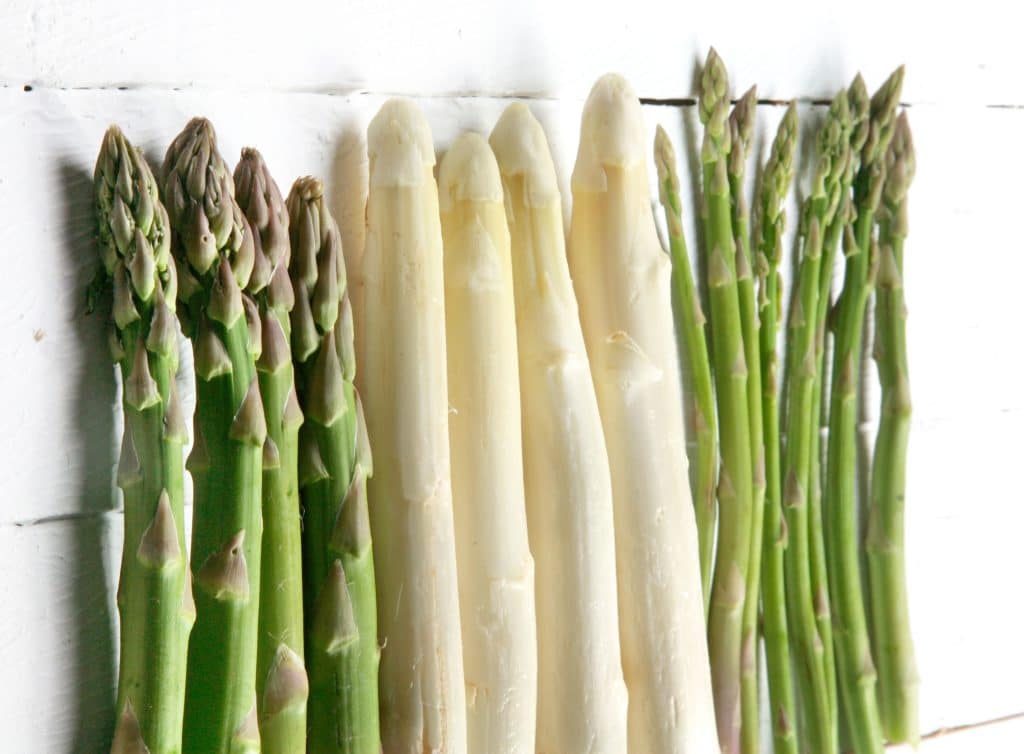
The most commonly found asparagus variety is green, however there are also purple and white ones. Green varieties are the most common variety found in Ontario, whereas white varieties are more common in European countries, and only make up 3 acres of production in this province. Both varieties are grown from the same seed, but white asparagus is grown under the soil and are therefore not exposed to sunlight. Green asparagus gets their colour from direct sunlight which produces chlorophyll, resulting in their vibrant colour.
White asparagus is thicker and smoother than green asparagus, has a milder flavour, and is more fibrous, meaning it requires longer to cook. Purple asparagus is more difficult to find than the other varieties, and you’re not likely to find it in most grocery stores. They have a creamy white interior and are sweeter tasting than the others.
There Is A Proper Way To Store Them
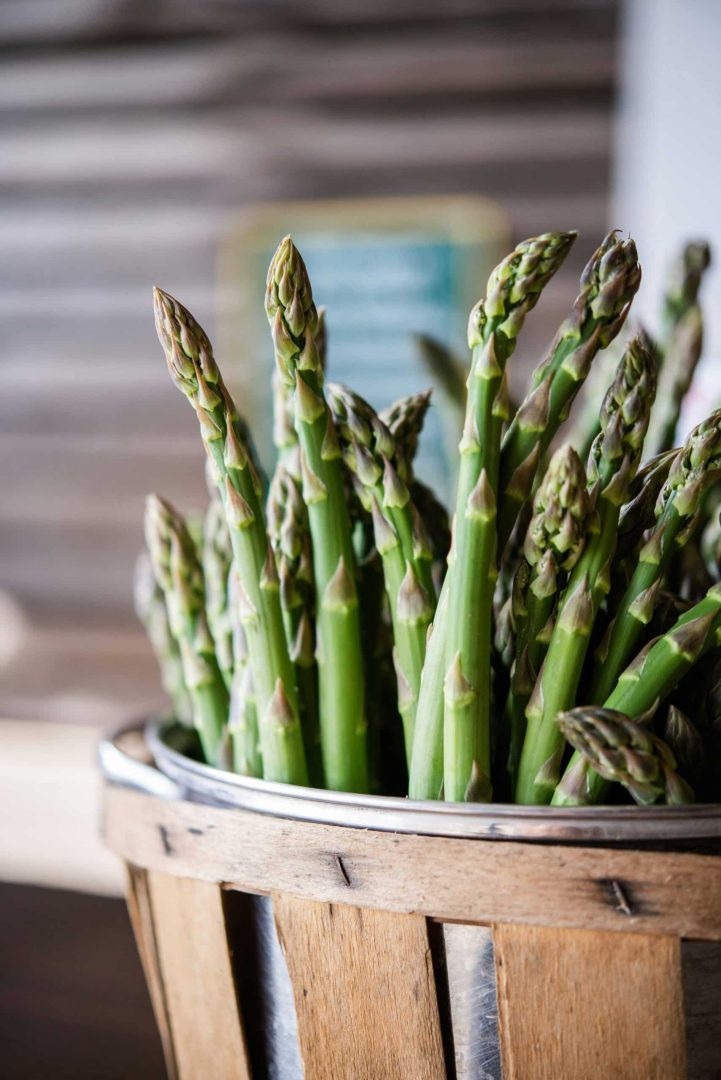
When shopping for asparagus, you’ll notice it’s sold standing upright in a tray of water. It’s best to store them similarly to this when you get home. Either trim an inch or so from the ends and store in a mason jar or other container with a couple inches of water in the bottom. Alternatively, you can wrap the bottom of the bunch in a damp paper towel and put it in a perforated plastic bag. When stored properly, asparagus will keep for 5-7 days in the fridge.
Asparagus Can Be Frozen
If you want to make asparagus season last longer, you can freeze it. To do so, trim a little bit from the ends, wash thoroughly, and either keep the spears whole, or cut into 2” pieces. Then blanch (cook in boiling water for about 1-2 minutes, or until the asparagus is a vibrant green), transfer to a bowl of ice cold water to stop the cooking process, then dry well, and transfer to an airtight plastic bag or container and place in the freezer. Ideally use within 8 months.
Asparagus Compounds Cause Smelly Urine
When asparagus is digested, it releases sulphurous amino acids which produce a strong odour, and this is what causes urine to smell after eating this particular vegetable. Interestingly, only 25% of people have the gene that allows you to detect these amino acids. Therefore, everyone’s urine ‘smells’ after eating asparagus, but only certain people will notice it.
Asparagus season in Ontario may be short, but with these fun facts and helpful tips, hopefully it will feel a tad longer. You can find fresh, locally grown Ontario asparagus at a grocery store or farmer’s market near you starting in the middle of May. Look for signage indicating it’s from Ontario, and try a new recipe!
Here are some delicious asparagus recipes to try this season: