
Blog Posts | How to Stretch a Basket of Peaches/Nectarines Into A Week’s Worth of Meals
How to Stretch a Basket of Peaches/Nectarines Into A Week’s Worth of Meals
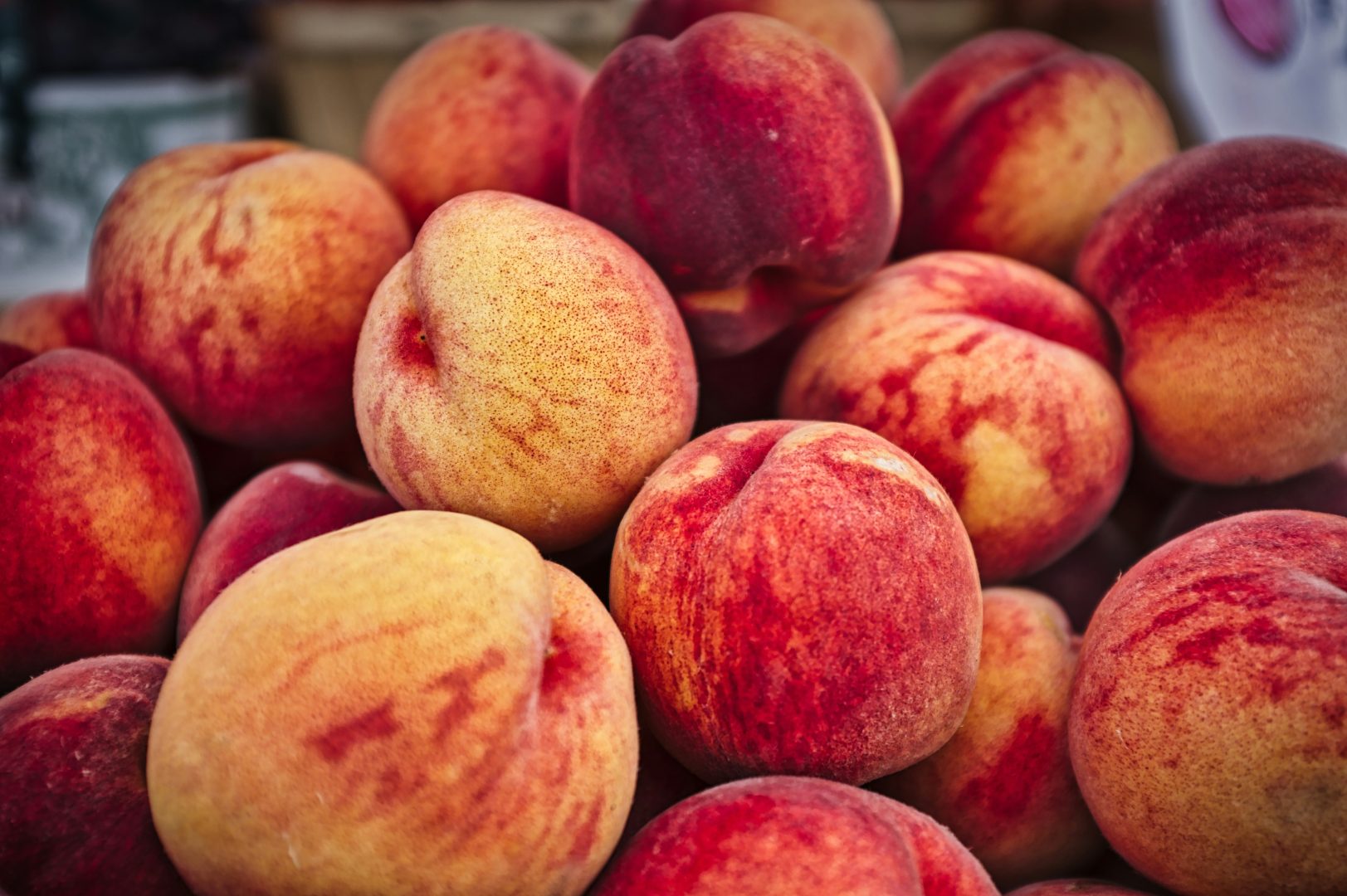
Ripe, juicy peaches and nectarines are the quintessential fruits of summer. They’re only available for a short period of time in Ontario, so you’ll want to grab a bunch when you see them. And if you find yourself at home with a basket of ripe tender fruit, and no ideas for how to use them, here are some ways to stretch them into a week’s worth of meals.
Peaches and nectarines are very versatile, and shouldn’t be limited to just crumbles and crisps. They can be baked, grilled, added to salads, used for marinades, salsas, and blended to make drinks and smoothies. The options are endless, so if you have a basket of peaches and nectarines to use up, here are some delicious ideas!
Peaches
There are two main varieties of peaches available in Ontario. Freestone peaches are ones you’ll typically find at the grocery store and farmers markets, and they’re available mid-August to the end of September. Their stone or pit separates easily from the flesh. Whereas semi-freestone peaches have flesh that partially sticks to the pit or stone. They are available mid-July to mid-August. Both are delicious eaten out of hand when they’re ripe.
They pair well with almost anything, but certain herbs and spices really bring them to life – think cinnamon, nutmeg, cloves, vanilla, mint, basil, ginger, and honey. And they work beyond just sweet applications. Pair them with pork, pesto, prosciutto, poultry, nuts, and dairy to make something delicious.
Here are some meal ideas to help you use peaches all week long:
Breakfasts:
Lunches & Dinners
Desserts & Sweet Items
Nectarines
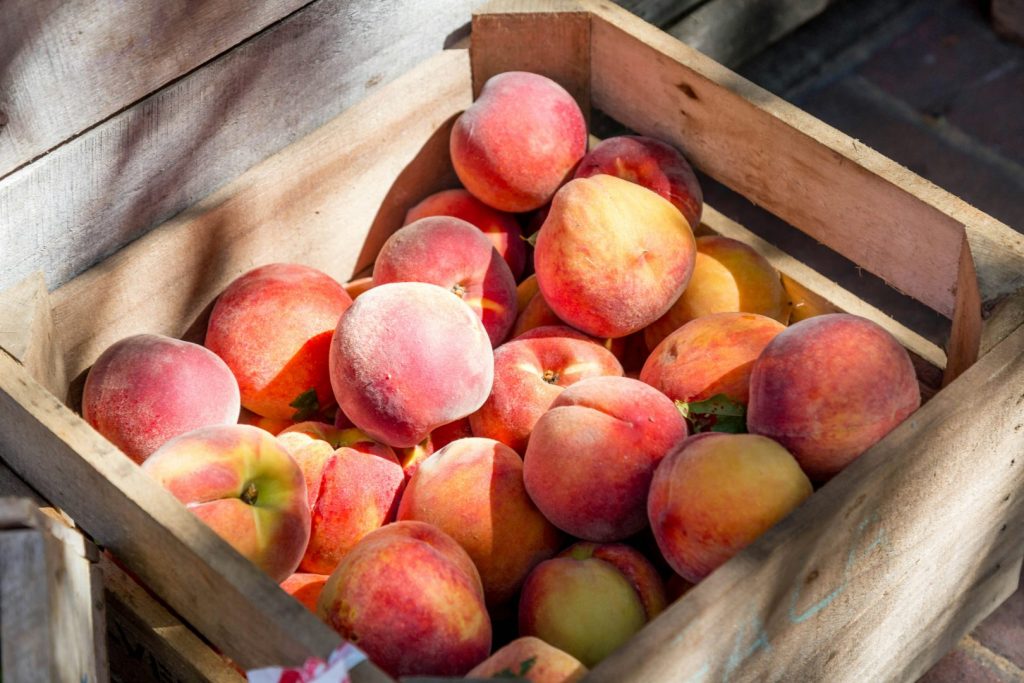
Nectarines are classified by the colour of their flesh, you’ll find white flesh and yellow flesh nectarines. Yellow flesh nectarines should be eaten when they’re soft, juicy and ripe, whereas white flesh nectarines are still sweet when they’re firm, so you can enjoy them then or wait until they’re soft.
Since nectarines are very similar to peaches, they go well with similar ingredients and flavours. You can also try pairing them with lemon, lime, tender fruit (cherries, plums, peaches, apricots), berries and leafy greens. Or lean into dairy and experiment with yogurt, buttermilk, blue cheese, goat cheese, burrata, mascarpone, or cream cheese. The options are truly endless.
Here are some delicious recipe ideas featuring nectarines to try this week:
Breakfasts:
Lunches & Dinners
Desserts & Sweet Items
So if you find yourself at home with a basket (or two) of peaches and nectarines this summer and no ideas for how to use them, I hope you have some inspiration now. Try a new recipe, or experiment with some of the pairing suggestions to create something delicious. These fruits are only in season for a short time, so don’t be afraid to grab more than you typically would, and use them in new ways throughout the week. Look for local Ontario tender fruit at your grocery store and farmer’s markets.
BONUS CONTENT: A Tender Fruit Tour of Niagara
The end of August is rich with Ontario grown tenderfruit – peaches, pears, nectarines, cherries, plums, and table grapes. I had the unique opportunity to spend the day in Niagara-on-the-lake (where 90% of tenderfruit is grown) visiting a family run tenderfruit farm and a co-op owned and operated by Canadian farmers. It was a peek behind the curtain of how fruit gets from ‘farm to table’ in Ontario.
The day started at Thwaites Farms, a family run farm that grows tender fruit and asparagus. They manage over 500 acres of farm land across Norfolk County and Niagara-on-the-lake. While our day started at 10am, staff had been out picking since 6:30 that morning, so there were bins full of peaches, pears and nectarines already full and in the cold storage. They head into the cold storage after they’re picked to slow the ripening process. From there they’re dumped into a little water bath, and go through a manual quality control line where leaves and rotten or bad fruit is removed. The remaining fruit moves along a conveyor belt and is hand packed into clamshell containers or larger boxes depending on where it’s going (aka which grocery store). Once packaged, the fruit moves into a second cold storage where it stays until it’s picked up for transport.
The last stop of our tour that day took us to Vineland Growers, the longest continually run co-operative in Ontario. They offer a number of different services to farmers, including marketing & distributing fruit, custom packaging & transportation, and cold storage. At this location, we got to see the rest of the journey the fruit takes once it’s picked up by truck from the farms. The packaged fruit goes into cold storage at the co-op location until it’s transported to grocery stores across the country, and then eventually to your kitchen. The next time you’re at your local grocery store or farmers market, look for tenderfruit grown in Ontario, and support our farmers.
